Behaviors Result from an Expectation that our Needs Will be Met by the Behavior we choose!
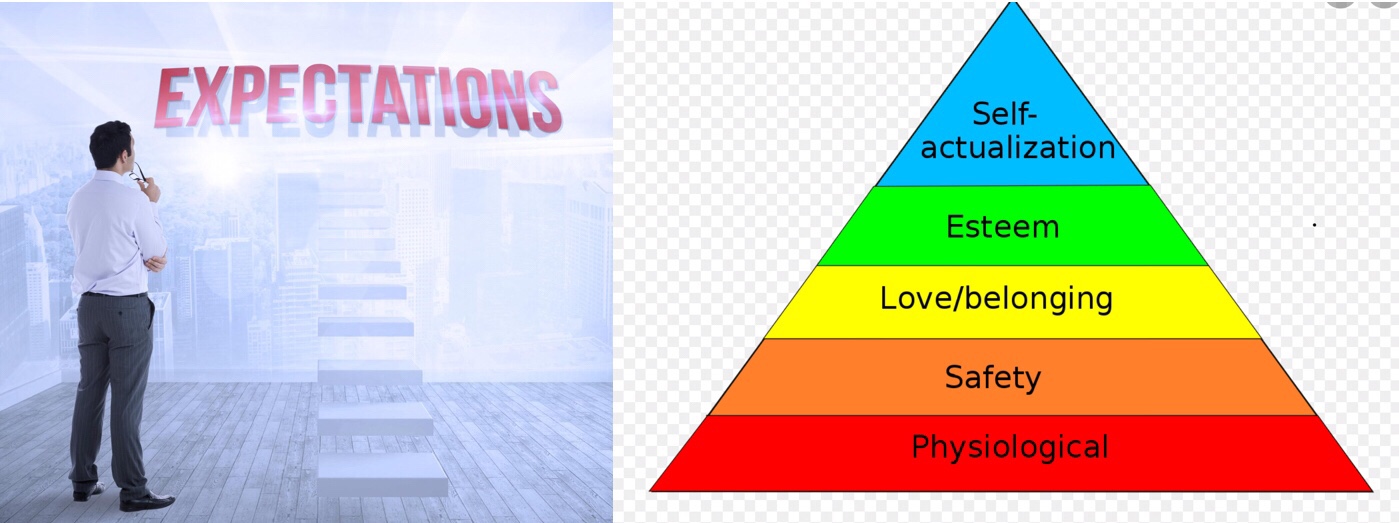
When I was researching the literature for my doctoral dissertation, I discovered that there was a great deal of disagreement about why we do what we do. There were two main camps of theorists. One camp was the needs reduction theorists and the other camp was the expectancy theorists. At the time I naively thought why not combine the two theories. Today, more than 35 years later, I pose the same question. This blog post will postulate my combined theory of human behavior, which upon review of so much that has been written since 1984, I believe is supported by a huge body of research on the topic.

Each of us chooses a course of action based on an expectation that we’ll receive a desired outcome. We are not born this way, we learn to expect to have what we do result in a desired outcome. From birth, and perhaps before, we start experimenting with our behavior. We cry and our parents respond. We put 2 and 2 together and figure out that when we do certain things we get certain responses. We have a few basic needs and our limited ability to express what our needs are leaves us, as babies, crying as our primary behavior to try to get those needs met. As we become more responsible for our own outcomes, the behaviors we must exhibit become more complex. Our needs get supplanted by our desires and we try to act in a way that we hope will produce our desired outcome. Successful satisfaction of our desires results in our expectation that those behaviors will continue to produce those expected outcomes. In a perfect world, every behavior would always produce the expected outcome but, we don’t live in a perfect world, do we!
With the on-going expectation that the same behavior should produce the same outcome, even though the people and circumstances might be different, comes the experience of failures which results in frustration. If we do not learn from these situations, and we continue to be frustrated, it becomes more and more difficult to remain motivated to do what we were trying to do. This can also lead to acting inappropriately and often does in children. As we mature, we realize that we will have to adapt to the world around us. We try different means to acquire what we need to fulfill our needs. In our early years we will try many different behaviors. Some of these will cause displeasure on the part of our parents and they will teach us the difference between acceptable and unacceptable behaviors. As we learn and mature our goal is always to adapt and become more effective in our behavior selection. Most adults do a fairly good job at selecting our behaviors but some do not. Those who are less effective can have considerable difficulties in life. Relationships, both personal and professional, can become nonproductive. This can further frustrate a person beyond the frustration resulting from failed attempts to satisfy basic needs and desires.
As a Legacy Leader, it’s important to understand where your people are with regards to their ability to choose effective behaviors. If you find individuals that appear to be making ineffective choices, you will need to find a way to help them. Sometimes you can be a coach for them but most likely you will need to find another way to help. There will be times when the problems may need professional help and you must make sure they get that help. For the majority of your people, regular reminders and caring open communication will be the best policy. Legacy Cultures are characterized by clarity of behavioral expectations and this will be helpful. Don’t leave it to chance. Be clear, communicate and be intentional. Every member of your team is doing the best they can. They need your guidance to succeed.

 Cheryl Lohner
 drjbnewman
 Newman’s Legacy Leadership Blog